


-

Add: HeBei ShengShi HongBang Cellulose Technology CO.,LTD.
-

Email
13180486930@163.com -

CONTACT US
+86 13180486930

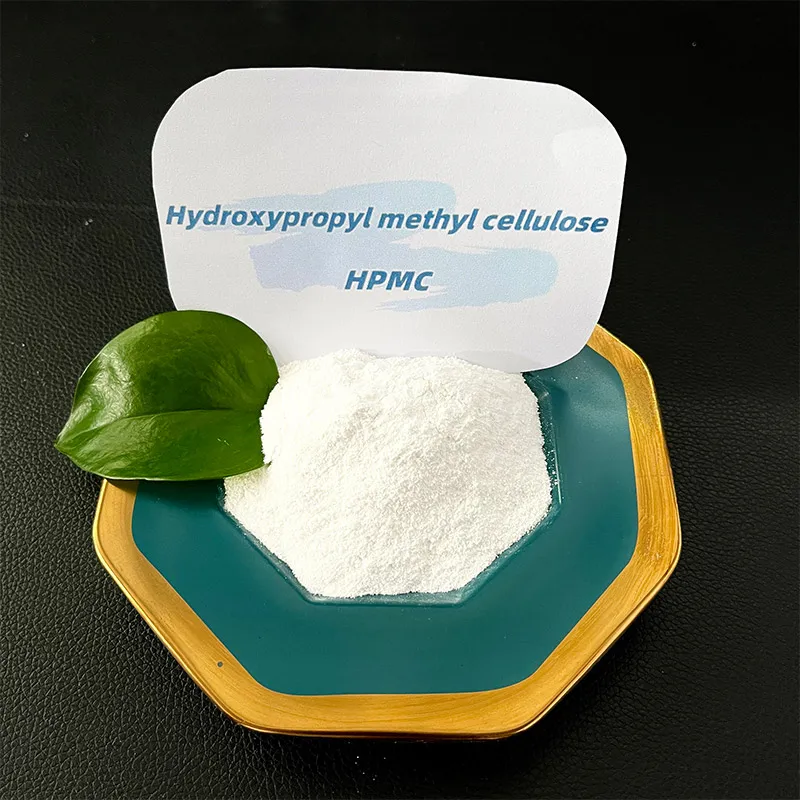




Hydroxypropyl methylcellulose (HPMC), a versatile pharmaceutical excipient, plays a crucial role in the formulation of tablets. Its unique properties not only aid in the manufacturing process but also enhance the quality and efficacy of the final product. As an authoritative entity in the pharmaceutical industry, my aim is to shed light on the significance of HPMC in tablet production, through personal experiences, professional insights, and a genuine understanding of its pivotal role. Tablets remain one of the most preferred dosage forms due to their convenience and the ability to deliver precise dosages. The quest for a successful tablet formulation hinges on the selection of appropriate excipients, among which HPMC stands out due to its multifunctional capabilities. Having spent over a decade in pharmaceutical development, the adoption of HPMC marked a turning point in the way tablet formulations were approached. HPMC is primarily used as a binder, film former, and controlled release agent—functions that are indispensable in tablet formulation. Its molecular structure, characterized by methoxyl and hydroxypropyl groups, allows it to exhibit hydrophilicity and gel-forming properties. This ensures that tablets aren't just mechanically robust but also capable of precise drug release profiles. From an expertise standpoint, one of the key challenges in tablet production is ensuring that tablets disintegrate and dissolve at the desired rate. The gel layer formed by HPMC on contacting aqueous environments effectively modulates drug release. In numerous formulations I've overseen, HPMC has been instrumental in developing sustained-release tablets, ensuring the therapeutic agent is released over an extended period. This not only improves patient compliance by reducing dosing frequency but also enhances the therapeutic effectiveness of the drug. Moreover, HPMC also serves as an excellent film-forming agent. In a project involving enteric-coated tablets, the inherent film-forming capabilities of HPMC were harnessed to ensure the active ingredient was only released in the intestine, bypassing the acidic environment of the stomach. This protective measure helps in preserving the integrity of the drug substance, especially for acid-sensitive compounds. hpmc used in tablet The expertise required in understanding the rheological properties of HPMC solutions is paramount for manufacturing high-quality tablets. Through my professional journey, the methodical optimization of HPMC concentration facilitated the production of tablets with desired mechanical strength and disintegration properties. Such adjustments ensure that the tablets don't break or crumble under pressure, yet dissolve at the appropriate rate once ingested. When formulated correctly, tablets using HPMC have consistently demonstrated high bioavailability. Through various bioequivalence studies, HPMC's role in ensuring consistent plasma concentrations of the drug has been validated. This directly attests to the trustworthiness and reliability of HPMC as a superior pharmaceutical excipient. In a regulated industry like pharmaceuticals, the authoritativeness of excipient selection cannot be overstated. Regulatory bodies such as the US FDA and European Medicines Agency frequently demand excipients with a proven record of safety and efficacy. HPMC, with its extensive clinical use and established safety profile, fulfills this criterion perfectly. In numerous regulatory submissions throughout my career, the inclusion of HPMC has never posed significant challenges, underscoring its acceptance and reliability. Lastly, my experience also highlights the scalability offered by HPMC in tablet manufacturing . As demand increases, the transition from pilot-scale batches to full-scale production remains seamless with HPMC. Its consistent performance across different manufacturing scales ensures reproducibility and uniformity—critical factors that define the quality of pharmaceutical products. In conclusion, Hydroxypropyl methylcellulose is more than just an excipient. It is a cornerstone in the development of effective, reliable, and high-quality tablets. Through its multifunctional properties and reputable track record, HPMC emerges as a vital component in pharmaceutical formulations, driving advancements in drug delivery and therapeutic efficacy. Its use not only embodies expertise and authority but also promises a level of safety and trust that is indispensable in the health sector.
- 40000tons

Production
- 20+years

Experience
- 5000+㎡

Acreage

-
Hydroxypropyl methylcellulose (HPMC), a versatile pharmaceutical excipient, plays a crucial role in the formulation of tablets. Its unique properties not only aid in the manufacturing process but also enhance the quality and efficacy of the final product. As an authoritative entity in the pharmaceutical industry, my aim is to shed light on the significance of HPMC in tablet production, through personal experiences, professional insights, and a genuine understanding of its pivotal role. Tablets remain one of the most preferred dosage forms due to their convenience and the ability to deliver precise dosages. The quest for a successful tablet formulation hinges on the selection of appropriate excipients, among which HPMC stands out due to its multifunctional capabilities. Having spent over a decade in pharmaceutical development, the adoption of HPMC marked a turning point in the way tablet formulations were approached. HPMC is primarily used as a binder, film former, and controlled release agent—functions that are indispensable in tablet formulation. Its molecular structure, characterized by methoxyl and hydroxypropyl groups, allows it to exhibit hydrophilicity and gel-forming properties. This ensures that tablets aren't just mechanically robust but also capable of precise drug release profiles. From an expertise standpoint, one of the key challenges in tablet production is ensuring that tablets disintegrate and dissolve at the desired rate. The gel layer formed by HPMC on contacting aqueous environments effectively modulates drug release. In numerous formulations I've overseen, HPMC has been instrumental in developing sustained-release tablets, ensuring the therapeutic agent is released over an extended period. This not only improves patient compliance by reducing dosing frequency but also enhances the therapeutic effectiveness of the drug. Moreover, HPMC also serves as an excellent film-forming agent. In a project involving enteric-coated tablets, the inherent film-forming capabilities of HPMC were harnessed to ensure the active ingredient was only released in the intestine, bypassing the acidic environment of the stomach. This protective measure helps in preserving the integrity of the drug substance, especially for acid-sensitive compounds. hpmc used in tablet The expertise required in understanding the rheological properties of HPMC solutions is paramount for manufacturing high-quality tablets. Through my professional journey, the methodical optimization of HPMC concentration facilitated the production of tablets with desired mechanical strength and disintegration properties. Such adjustments ensure that the tablets don't break or crumble under pressure, yet dissolve at the appropriate rate once ingested. When formulated correctly, tablets using HPMC have consistently demonstrated high bioavailability. Through various bioequivalence studies, HPMC's role in ensuring consistent plasma concentrations of the drug has been validated. This directly attests to the trustworthiness and reliability of HPMC as a superior pharmaceutical excipient. In a regulated industry like pharmaceuticals, the authoritativeness of excipient selection cannot be overstated. Regulatory bodies such as the US FDA and European Medicines Agency frequently demand excipients with a proven record of safety and efficacy. HPMC, with its extensive clinical use and established safety profile, fulfills this criterion perfectly. In numerous regulatory submissions throughout my career, the inclusion of HPMC has never posed significant challenges, underscoring its acceptance and reliability. Lastly, my experience also highlights the scalability offered by HPMC in tablet manufacturing . As demand increases, the transition from pilot-scale batches to full-scale production remains seamless with HPMC. Its consistent performance across different manufacturing scales ensures reproducibility and uniformity—critical factors that define the quality of pharmaceutical products. In conclusion, Hydroxypropyl methylcellulose is more than just an excipient. It is a cornerstone in the development of effective, reliable, and high-quality tablets. Through its multifunctional properties and reputable track record, HPMC emerges as a vital component in pharmaceutical formulations, driving advancements in drug delivery and therapeutic efficacy. Its use not only embodies expertise and authority but also promises a level of safety and trust that is indispensable in the health sector.
-
In the world of pharmaceuticals and nutraceuticals, excipients play an essential role in the formulation of drugs, enhancing both their stability and efficacy. Among these, Hydroxypropyl Methylcellulose (HPMC) stands out for its versatile properties and broad range of applications. This article delves into the distinctive characteristics, production processes, and essential benefits of HPMC as an excipient, providing invaluable insights for manufacturers and formulators who aim to leverage its unique attributes for product development. Hydroxypropyl Methylcellulose is a semi-synthetic, inert, and viscoelastic polymer, derived from cellulose. It is renowned for its exceptional ability to modify the viscosity of solutions and its role as a stabilizer, thickener, and film former. These properties make HPMC a preferred choice in the pharmaceutical industry, where it is employed not only in tablet production but also in controlled-release formulations, ophthalmic preparations, and topical agents. The production of HPMC involves the treatment of cellulose with sodium hydroxide followed by a treatment with methyl chloride and propylene oxide. This process yields a complex and adaptable product that can be tailored to meet the specific demands of various drugs, enhancing their performance in ways few other excipients can. The critical control over the degree of substitution and the molecular weight distribution allows manufacturers to customize the viscosity and gel temperature, thus optimizing the stability and release profiles of pharmaceutical formulations. What sets Hydroxypropyl Methylcellulose apart is its role in controlled release mechanisms . As an integral component of hydrophilic matrix systems, HPMC controls the release rate of active pharmaceutical ingredients through a sophisticated erosion and diffusion process. When in contact with bodily fluids, it hydrates rapidly to form a gel layer that regulates drug diffusion and subsequent dissolution. This unique characteristic is particularly advantageous for sustained and controlled-release tablets, providing a predictable pharmacokinetic profile and enhancing patient compliance. hydroxypropyl methylcellulose excipient In topical applications, HPMC serves as an effective film-former, creating a protective layer that not only enhances the delivery of therapeutic agents but also provides moisturizing benefits. Its hypoallergenic and non-toxic nature makes it an optimal choice for dermatological products, ensuring safety and efficacy even in sensitive applications. From a formulators’ perspective, the versatility of Hydroxypropyl Methylcellulose extends into the nutritional supplement industry. It plays a crucial role in the encapsulation of herbal extracts and vitamins, providing a plant-based alternative to gelatin capsules. This property aligns with the increasing consumer demand for vegetarian and vegan products, positioning HPMC as a forward-thinking solution for sustainable product lines. Quality consistency in HPMC production is paramount. Rigorous adherence to Good Manufacturing Practices (GMP) ensures that each batch meets stringent quality standards. Manufacturers who prioritize transparency and reliability in their supply chain build trust with formulators, ultimately impacting the success of end products in the market. Through precise control of process variables and a commitment to quality assurance protocols, the integrity of HPMC as a high-grade excipient is maintained, fostering trust throughout the industry. For formulators exploring innovative ways to augment drug delivery and product integrity, Hydroxypropyl Methylcellulose presents itself as a robust ally. Its adaptability in formulation design, coupled with its favorable safety profile, positions it as a core material in the advancement of both pharmaceutical and nutraceutical applications. When selecting excipients, understanding the inherently unique properties of HPMC could be a game-changer, offering an avenue to superior product performance, enhanced patient experiences, and a competitive edge in the ever-evolving landscape of health and wellness products.
advantages
-

200000 Viscosities
Excellent product
We can produce pure products up to 200,000 viscosities
-

40000 tons
High yield
We don’t stop production all year round, and the annual output can reach 40,000 tons
-

24 hours
Quality service
We provide 24-hours online reception service, welcome to consult at any time
———— Inquiry Form
Schedule A services
-
 precio_del_eter_de_almidon
Oct . 25, 2025
Understanding Confix PP Fiber A Breakthrough in Material Science In the quest for advanced materials -
 fully_synthetic_fibre
Oct . 25, 2025
Hydroxypropyl methylcellulose , commonly known as HPMC, is a versatile compound extensively utilized -
 hydroxypropyl_methylcellulose_2910
Oct . 25, 2025
Navigating the Complex World of Rubber Powder Buyers Rubber powder has emerged as a crucial industri


